How Much to Tint Car Windows? Dyed, Carbon & Ceramic Prices (2026 Guide)
There is nothing quite like the smell of a hot car interior baking in the summer sun that suffocating mix of off-gassing plastic and scorching leather that burns your legs the moment you sit down. In my twenty years running the shop, I’ve had countless customers come in begging for relief from the heat, thinking a $99 tint job is the answer. I usually walk them out to the parking lot and point to a 10-year-old sedan with bubbling, purple film peeling off the back glass. “That,” I tell them, “is what a cheap tint job costs you in the long run.”
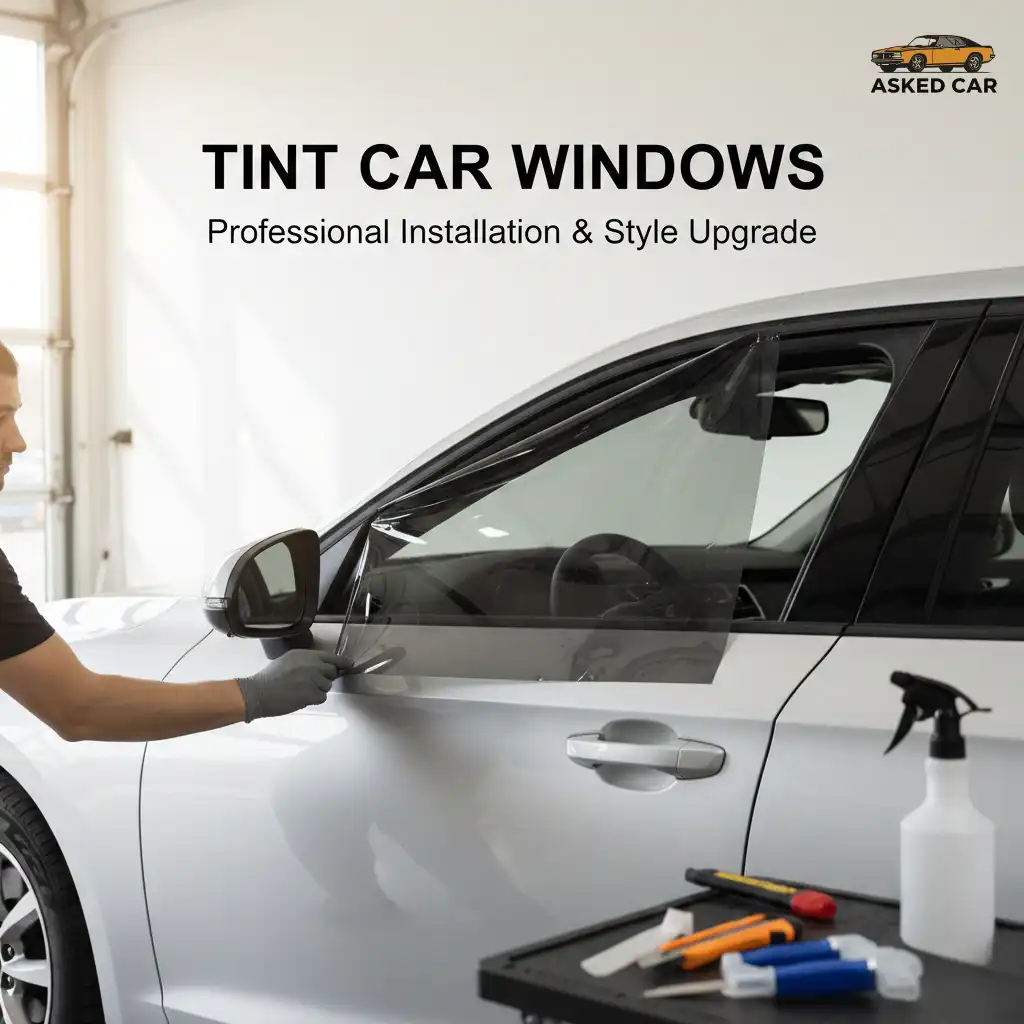
Window tinting is one of the best upgrades you can make for comfort and protection, but the pricing landscape is a minefield. You can spend $150 or $800, and the difference isn’t just markup—it’s chemistry. The technology has shifted massively in the last decade, moving from simple dyed sheets to complex nano-ceramic layers that reject invisible heat. If you are shopping for tint in 2026, you need to look past the darkness percentage (VLT) and look at the construction of the film. Here is the honest breakdown of what you should pay, what you actually get, and why I rarely let a car leave my bay with the cheapest option.
The Economy Option: Dyed Window Tint
Price Range: $150 – $300 (Full Car)
This is the “old school” tint. If you see a sign on the side of the road advertising “Full Tint $99,” this is likely what they are slinging. Dyed film relies on a layer of dye sandwiched between the adhesive and the protective top coat to block light. It is strictly for looks and privacy. It darkens the windows, sure, but it does almost nothing to stop the heat.
From a mechanic’s perspective, this stuff is a headache waiting to happen. The dye is unstable. Over three to five years of UV exposure, it oxidizes and turns that hideous shade of purple. Worse, the adhesive often fails before the film does, leading to those unsightly bubbles that distort your rear view. I only recommend dyed tint if you are leasing a car for two years or just want privacy on a budget beater. If you plan to keep the car, skip this.
The Middle Ground: Carbon Window Tint
Price Range: $250 – $500 (Full Car)
Carbon tint is where we start seeing real performance. As the name implies, this film is infused with carbon particles. The biggest aesthetic advantage here is the finish—it has a rich, matte black look that doesn’t fade. Unlike dyed films, carbon is color-stable. I have seen carbon tint jobs that look as good on day 1,000 as they did on day 1.
Mechanically, it’s a solid step up because carbon blocks about 40% of the infrared heat (the heat you feel) that cooks your dashboard. It also doesn’t contain metal, which is crucial for modern cars. In the early 2000s, “metallic” tints were popular, but they wreaked havoc on GPS signals, tire pressure sensors, and cell reception. Carbon is signal-friendly. If you want your car to look sharp and stay cooler without draining your savings account, this is the sweet spot.
The Gold Standard: Ceramic Window Tint
Price Range: $400 – $850+ (Full Car)
If you ask me what I put on my own truck, it’s ceramic. This is the heavy hitter of the industry. Ceramic film uses non-conductive ceramic particles that are so small they are invisible to the naked eye. The magic here is “IR Rejection.” While dyed tint just shades the sun, ceramic tint actually filters out the infrared wavelengths. A high-quality ceramic film can block up to 90% of the heat entering the glass.
The sensation is noticeable immediately. You can drive with the sun beating directly on your arm and not feel the burn. It significantly reduces the load on your air conditioning system, which, in the long run, saves wear on your AC compressor and improves fuel economy (or EV range). Yes, it hurts the wallet upfront, often costing double what dyed tint costs. But if you have leather seats you want to protect from cracking, or if you live anywhere south of the Mason-Dixon line, the “buy once, cry once” philosophy applies here.
The “Removal Fee” Trap
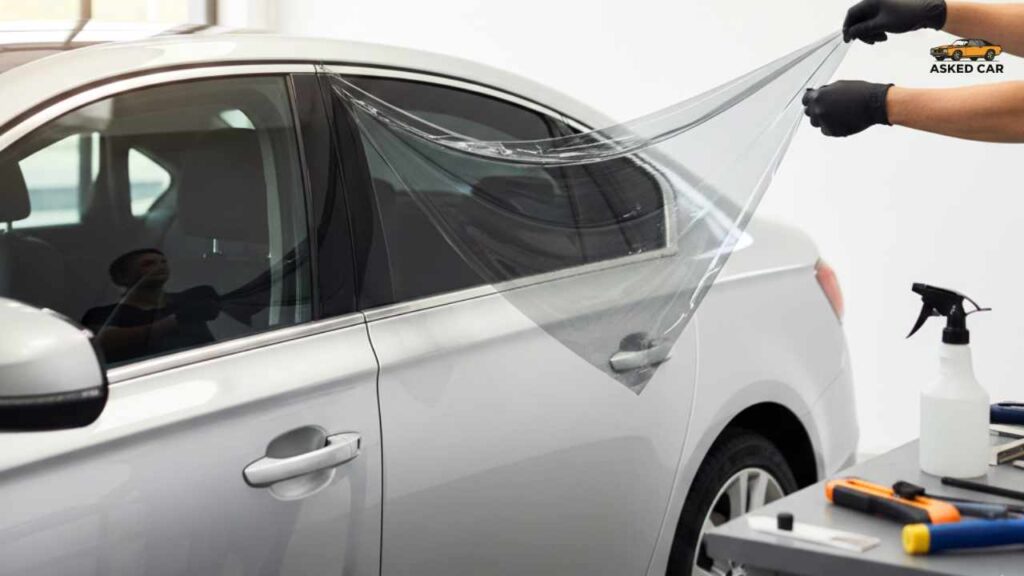
Here is a hidden cost most people forget: getting the old stuff off. If you bought a used car with bubbling tint, do not try to scrape it off yourself with a razor blade and Windex. The rear glass of your car is covered in delicate copper defroster lines. One slip with a razor, and you have severed the circuit, meaning your rear defroster will never work again.
We charge anywhere from $100 to $250 just to remove old tint because it is a miserable, meticulous job involving steam cleaners and specialized adhesive solvents. If the tint is on the side windows, it’s cheaper ($20-$40 per window), but that rear windshield is high-risk real estate. Always factor this in if you are upgrading an older vehicle.
Variable Factors: Why Quotes Fluctuate
You might call three shops and get three different numbers. Here is why:
Vehicle Type: A Honda Civic is straightforward. A Tesla Model 3 with that massive, curved panoramic rear glass is a nightmare to tint in one piece. Expect a “difficulty surcharge” for vehicles with complex curves or excessive glass like minivans.
The “Brow”: Many quotes don’t include the windshield “brow” (the strip at the top) or the full windshield (which requires a special clear ceramic film). Adding a full windshield tint usually adds $150 – $250 to the bill.
Shop Reputation: You are paying for the installer’s hands, not just the plastic roll. A master tinter files the edges so there is no “light gap” when you roll the window down. A budget shop leaves a jagged gap.
The Verdict: What Should You Buy?
If you are just trying to make your car look cool for a few years, spend the $300 on a decent Carbon film. It looks great and won’t turn purple. But if you plan to keep the vehicle for five years or more, or if you have kids in the back seat, spend the extra money on Ceramic. The heat reduction makes the cabin a completely different environment, and the UV protection (which is effectively SPF 1,000) keeps your interior plastics from turning brittle. In my book, that protection pays for itself.