How Much Does It Cost to Tint Car Windows? Price Factors Explained
There is a specific, heartbreaking look I see on a customer’s face when they roll into my shop with a bubbly, purple mess on their rear window. They bought the “Groupon Special” three years ago, thinking they scored a deal, and now they can’t see out the back glass without looking through a wrinkled grapefruit roll-up. Window tint is one of the few automotive modifications where being cheap is visibly expensive.
In my twenty years of peeling off cheap film and installing high-grade ceramic, I’ve learned that window tint pricing is the Wild West. You can find a guy in a parking lot willing to do it for $99, and you can find a high-end boutique charging $1,200. The difference isn’t just markup; it’s the difference between sticking a piece of colored plastic to your glass and applying a multi-layer nano-ceramic heat shield. If you are tired of burning your left arm on the door sill during your commute, let’s break down what you are actually paying for and why the price gap is so massive.
Types of Tint: The Specs of Shade
Just like engines, not all tint is created equal. The price comes down to the material science sandwiched between those microscopic layers of polyester.
Dyed Film (The Budget Trap) This is the entry-level stuff. It relies on a layer of dye to block light. While it looks dark and offers privacy, it does almost nothing for heat rejection. Over time, the sun’s UV rays break down the dye, turning the film purple. It also has a tendency to bubble as the adhesive fails. I generally refuse to install this unless the customer is selling the car next week.
Carbon Film (The Middle Ground) Carbon film is infused with carbon particles rather than dye. This gives it a distinct matte black finish that looks fantastic on muscle cars and trucks. It won’t fade or turn purple, and it offers decent heat rejection—blocking about 40% of the infrared heat entering the cabin. It’s durable, signal-friendly (won’t block your GPS), and usually the sweet spot for most drivers.
Ceramic and Nano-Ceramic (The Gold Standard). This is what I run on my own truck. Ceramic tint uses non-conductive ceramic particles that are invisible to the eye but act like a brick wall to Infrared (IR) heat. We are talking about rejecting up to 80-90% of the heat that makes your leather seats scorch your legs. It is significantly more expensive to manufacture, but the performance difference is immediate. You can have a lighter shade of ceramic that blocks more heat than a “limo dark” dyed film.
Performance: Why You Are Actually Buying It
When customers ask me about “performance,” they usually mean horsepower. With tint, performance is measured in Heat Rejection and UV Protection. Every modern window film blocks 99% of UV rays (the ones that give you skin cancer), but only premium films block Infrared (IR) rays (the ones that make you sweat).
If you live in Phoenix or Miami, you aren’t paying for the look; you are paying for the IR rejection. I can put a heat lamp behind a piece of high-end ceramic film, and you won’t feel the warmth on your hand. Try that with a cheap dyed film, and you’ll pull your hand away in seconds. This reduction in cabin temperature means your AC works less, your interior plastics don’t crack as fast, and you aren’t fatigued by the sun beating on your face.
The Installation Process: Paying for the Hands, Not Just the Plastic
A huge chunk of the cost is labor. Tinting is an art form. The rear window of a Tesla Model 3, for example, is one massive, curved piece of glass that stretches from the trunk to the middle of the roof. It requires a single, giant sheet of film that must be “heat shrunk” to match the curvature of the glass perfectly.
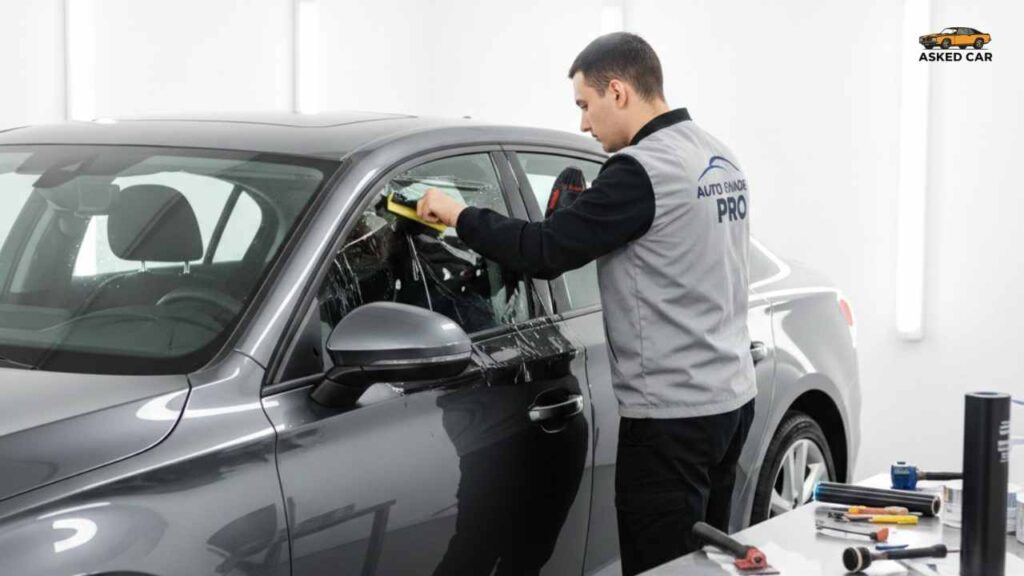
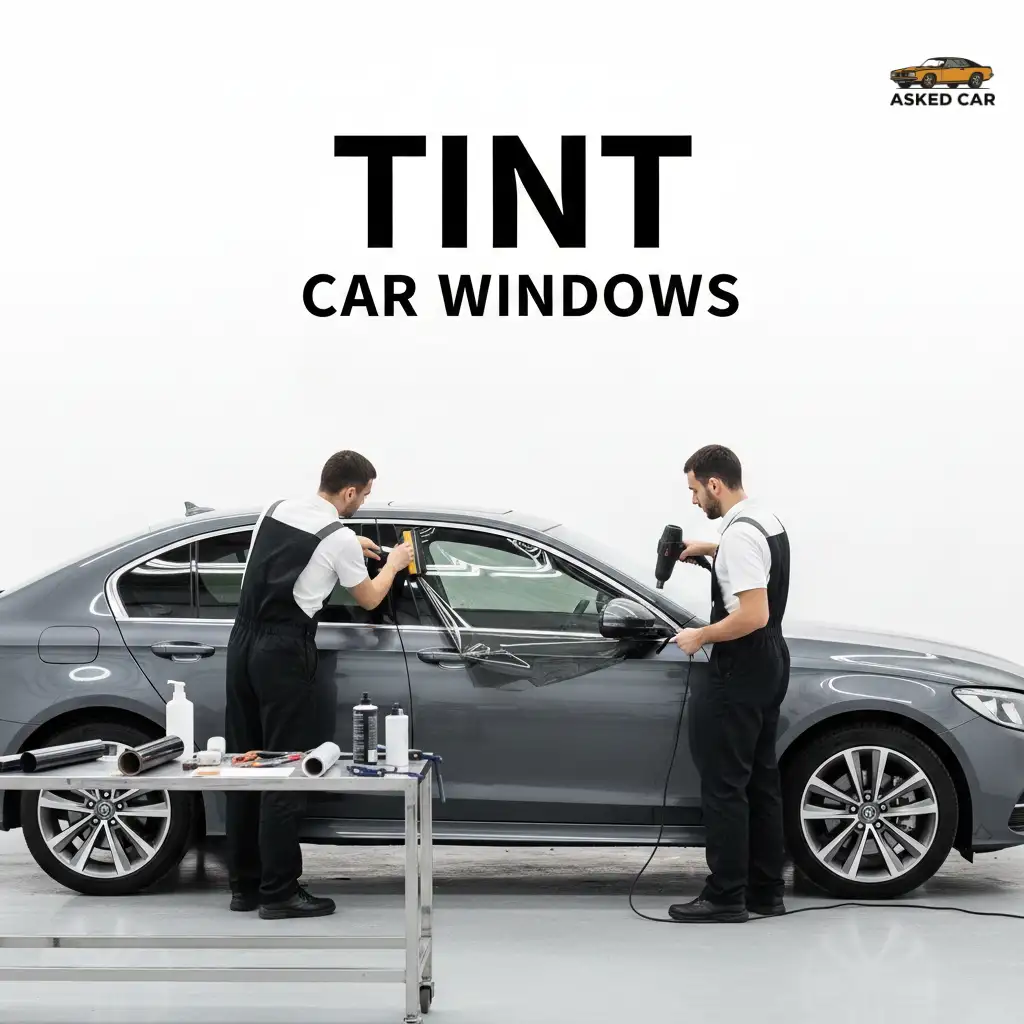
Watch a pro installer, and you’ll see them using a heat gun and a hard card to mold the film on the outside of the glass first. They have to shrink the “fingers” (excess film) without creasing the material. Then, they clean the inside glass with razor blades to remove invisible contaminants. If they miss a single speck of dust, it creates a permanent white bubble. The smell of the slip solution—usually a mix of baby shampoo and water—is the signature scent of a tint shop. You are paying for the patience and steadiness of hand to cut a perfect edge that looks like factory glass, avoiding the dreaded “light gaps” at the top of the window.
Grades & Legal Limits
Tint darkness is measured in VLT (Visible Light Transmission). The lower the number, the darker the tint.
5% (Limo): You can’t see in; you can barely see out at night. Great for privacy, terrible for driving.
20% (Factory Match): Matches the privacy glass found on the rear of most SUVs.
35-50% (Legal/Subtle): Keeps the heat out without attracting police attention.
70-80% (Clear/Windshield): Used for windshields to block heat without reducing visibility.
Note: Darker tint does NOT cost more money. A 5% strip costs the same as a 50% strip. You are paying for the type of film (Ceramic vs. Dyed), not the darkness.
Pricing (U.S. Examples)
Here is the reality of what you will pay for a professional installation in 2025. These prices assume a standard 4-door sedan. SUVs and Trucks will cost $50-$100 more due to the larger glass surface area.
Dyed Film: $150 – $250. (Expect to replace it in 3 years).
Carbon Film: $300 – $450. (Great value, lifetime warranty usually included).
Standard Ceramic: $500 – $700. (High heat rejection, lifetime warranty).
Premium Nano-Ceramic: $800 – $1,200+. (The absolute best heat rejection, usually name brands like XPEL, 3M Crystalline, or Llumar).
Removal Cost: If you have an old, bubbly tint, expect to pay an extra $150 – $300 to have it removed. It is a miserable job involving steamers, ammonia, and scraping glue inch by inch while trying not to destroy the rear defroster lines.
Pros and Cons
The Good Stuff The comfort upgrade is undeniable. In a ceramic-tinted car, the AC cools the cabin down in half the time. The privacy prevents “fishbowling” (everyone staring at you at red lights), and the UV protection saves your dashboard from cracking. Plus, in an accident, the film holds shattered glass together, preventing it from flying into your face.
The Bad Stuff: Cheap tint ruins the look of a car instantly. If you go too dark (5%), you are severely compromising your night vision, making it easy to miss your wheels or a pedestrian. There is also the “Dot Matrix” issue—that black frit border on your windows. Tint cannot stick to the raised dots perfectly, leaving a silvery “zigzag” line around the edge that some owners find annoying.
Is it Worth It?
If you plan to keep the car for more than two years, buy the Ceramic or Carbon tint. The heat rejection alone changes your relationship with the vehicle in the summer. It is the best functional modification you can make for daily comfort.
If you are leasing the car or selling it soon, you can get away with the Dyed film just for privacy, but don’t expect it to keep you cool. Whatever you do, avoid the $99 special. You will end up paying more to have that cheap film removed later than you would have paid to do it right the first time.
Expert Maintenance Advice
Once you get your windows tinted, do not roll them down for 3 to 5 days. The moisture between the film and the glass needs time to evaporate and cure. If you roll them down too soon, the film will peel at the bottom.
Also, throw away your Windex. Any cleaner with ammonia will eat the adhesive and turn your expensive tint purple. Use a dedicated ammonia-free glass cleaner or just a damp microfiber towel to clean the inside.
Final Thoughts
Window tint is an investment in your comfort. Spending $600 feels like a lot until you realize it protects you every single time you drive. Do your research, find a shop with a plotter (machine cutter) rather than a guy cutting on your glass with a knife, and spend the extra money for ceramic. Your skin will thank you.