How Long Does It Take to Charge a Car Battery? Ultimate Guides
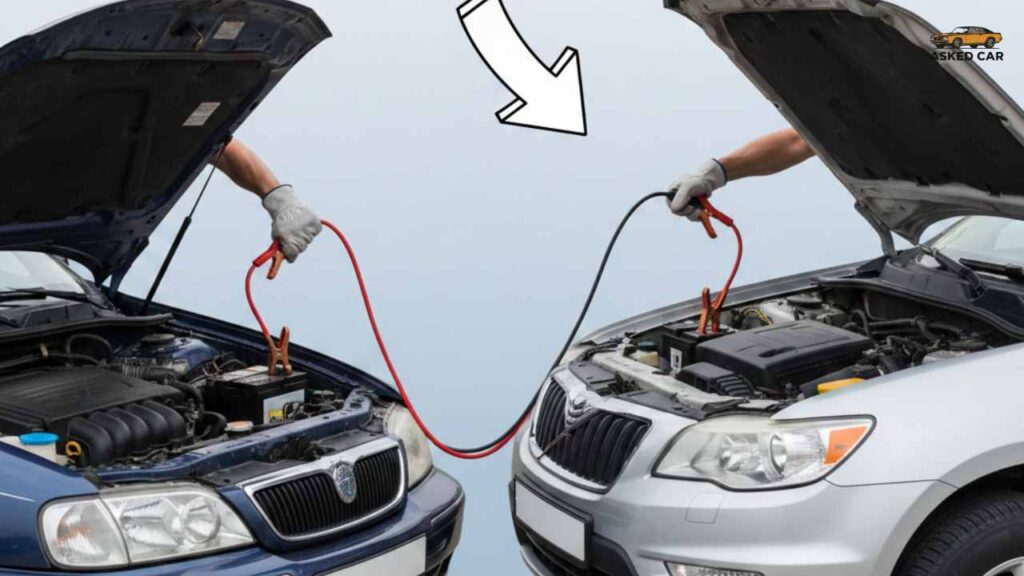
There is a specific kind of silence that every driver dreads. You turn the key (or push the button), and instead of the confident roar of combustion, you get… click. Nothing kills a morning commute faster than a dead battery. In my twenty years of managing a repair shop, I’ve heard every version of this story. And the first question is always the same: “How long until I can drive it again?”
The answer, unfortunately, isn’t a simple number. Asking “how long does it take to charge a battery” is like asking “how long does it take to fill a bucket?” It depends entirely on how big the bucket is and how fast the hose is running. A small trickle charger might take two days to revive a dead battery, while a professional shop charger can do it in an hour.
In this guide, I’m going to cut through the forum noise and give you the real-world numbers I see in the shop, debunk the dangerous “just drive it” myth, and show you exactly how to read your battery’s health like a pro.
The Short Answer: Charging Time Estimates
To give you a realistic timeframe, we need to look at the amperage of your charger. Think of “Amps” as the speed of the water flowing through the hose. The higher the amps, the faster the charge—but faster isn’t always better.
Here is the breakdown for a standard car battery (typically rated at 48 to 60 Amp-Hours):
2-Amp “Trickle” Charger (The Maintenance Pace):
- Time: 24 to 48 hours.
- Best For: Maintaining a classic car over winter or slowly reviving a deeply discharged battery without overheating it. This is the safest method but requires patience.
10-Amp Charger (The Sweet Spot):
- Time: 3 to 6 hours.
- Best For: Most home mechanics. It’s fast enough to get you back on the road the same day but gentle enough not to cook the internal lead plates.
40-Amp Charger (The “Panic” Mode):
- Time: 30 minutes to 1 hour.
- Best For: Emergency situations only. Pumping this much current generates significant heat. I rarely use this setting unless a customer is literally waiting in the lobby.
Is It Dead or Just Resting?
One of the biggest mistakes I see DIYers make is assuming a battery is “dead” because the car won’t start. You need to know the State of Charge. In the shop, we use a multimeter to check the resting voltage (with the engine off).
Here is the chart I have taped to my toolbox. Use a multimeter on the terminals to see where you stand:
| Voltage Reading | Approximate Charge | The Mechanic’s Verdict |
| 12.6V or higher | 100% | Healthy. Ready to roll. |
| 12.4V | 75% | Good, but could use a top-up. |
| 12.2V | 50% | Critical Zone. You might hear a slow crank. |
| 12.0V | 25% | Deeply discharged. Needs immediate charging to prevent damage. |
| 11.9V or lower | 0% (Dead) | “Sulfation” risk is high. May require a smart charger to recover. |
Note: For AGM (Absorbent Glass Mat) batteries found in newer luxury cars with Start/Stop tech, a full charge is often slightly higher, around 12.8V.
The “Alternator Myth”: Please Stop Driving to Charge
If I had a dollar for every time someone told me, “I’ll just jump it and drive it for 20 minutes,” I could buy a new lift for the shop. This is bad advice.
Your car’s alternator is a maintainer, not a charger. It is designed to top off the battery after you use a little energy to start the engine. It is NOT designed to push a massive current into a battery that is sitting at 0% charge.
When you force an alternator to charge a dead battery, you are making it work at 100% duty cycle. I have seen countless alternators overheat and fail prematurely because the owner tried to save time by driving instead of plugging in a wall charger. You might melt the diodes inside the alternator, turning a $150 battery problem into a $600 alternator repair. If the battery is flat, use a wall charger.
Smart Chargers vs. Trickle Chargers: What Do You Need?
Twenty years ago, chargers were dumb metal boxes that would boil your battery dry if you forgot about them. Today, you have choices.
Trickle Chargers: These are “dumb” chargers. They push a constant low current (usually 1-2 amps). They don’t know when to stop. If you leave one on for a week, you risk overcharging and damaging the battery.
Smart Chargers: These are what I recommend to everyone. They use microprocessors to “talk” to the battery. They charge fast at first (Bulk Mode), slow down as the battery fills (Absorption Mode), and then switch to a safe “Float Mode” to maintain the charge indefinitely. They can even detect “sulfation” (crystals on the lead plates) and pulse-charge the battery to clean it. Spend the extra $30 for a smart charger; it pays for itself.
Safety First: The “No-Explosion” Guide
I’m not trying to scare you, but car batteries produce hydrogen gas—the same stuff that took down the Hindenburg. One spark in the wrong place can cause the plastic case to explode, spraying sulfuric acid everywhere. I’ve seen the aftermath, and it isn’t pretty.
Follow this protocol every single time:
Safety Gear: Put on safety glasses. Acid loves eyes.
Check for Ice: If it’s freezing outside, look at the battery case. If the sides are bulged out, DO NOT CHARGE IT. The electrolyte inside is frozen. Charging a frozen battery will cause it to explode. Let it thaw in a garage for 24 hours first.
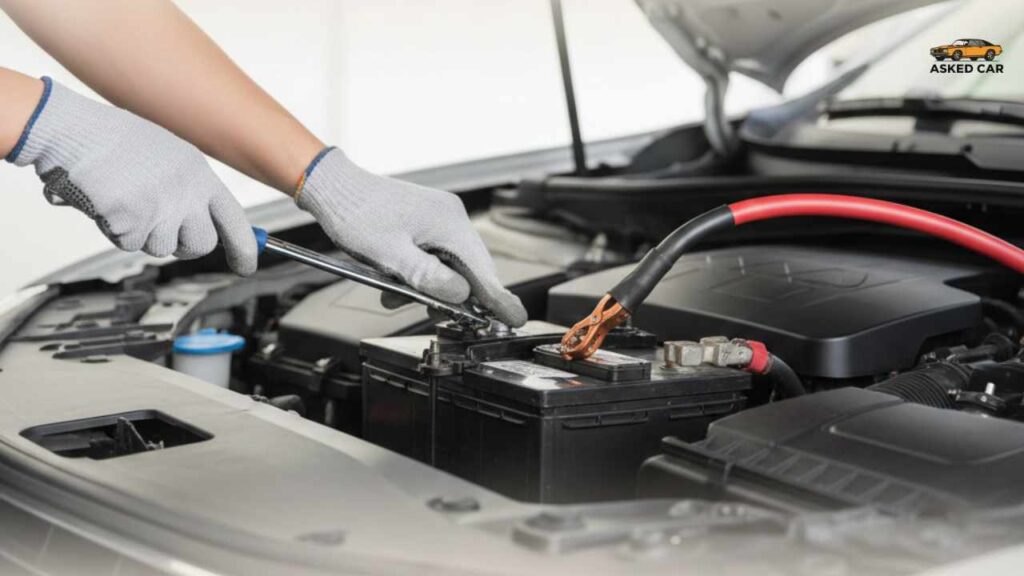
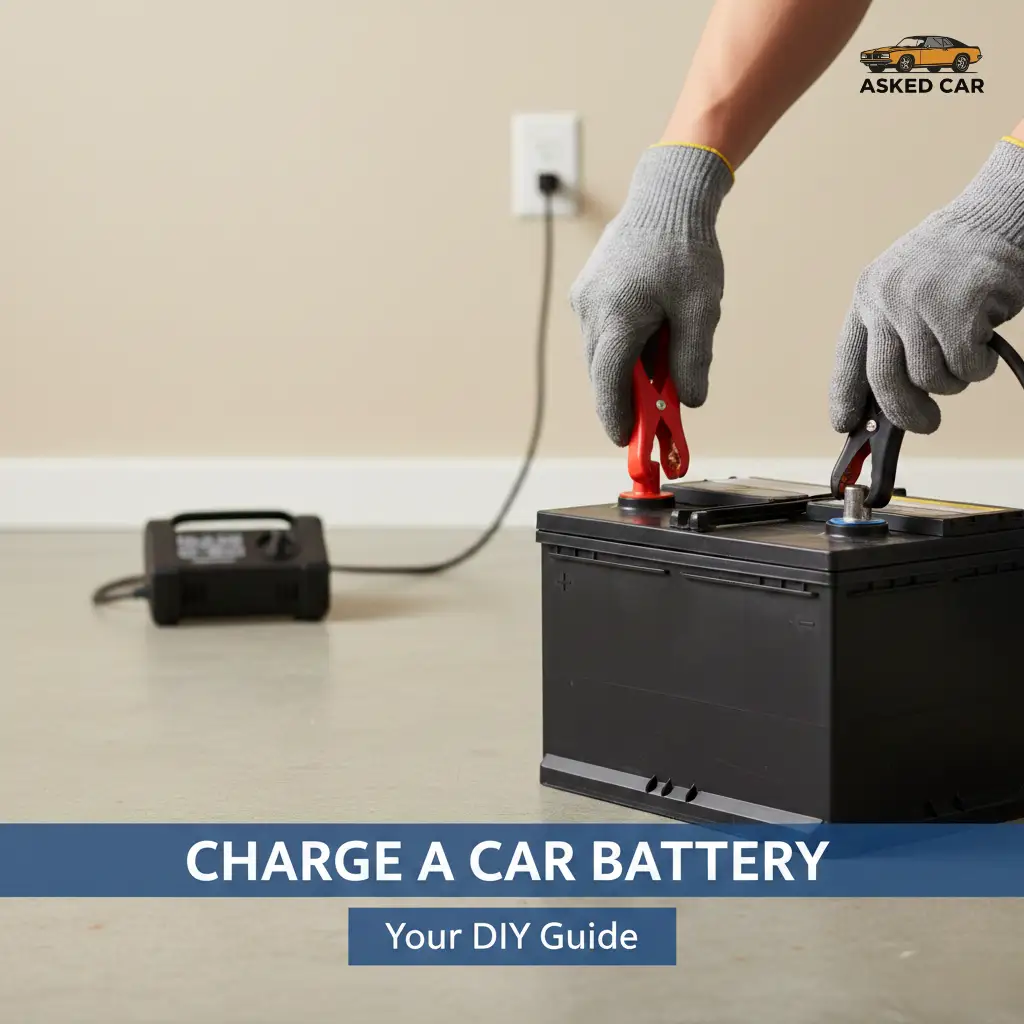
Red First: Connect the Red (Positive) clamp to the Red terminal first.
Black Last: Connect the Black (Negative) clamp to the negative terminal.
Charger Location: Set the charger as far away from the battery as the cables allow. Never place the charger directly on top of the battery.
Plug It In: Only plug the charger into the wall outlet after all the clamps are connected.
Disconnect: When you’re done, unplug the wall cord first, then remove the clamps in reverse order (Black first, then Red).
The Mechanic’s Final Word
So, how long does it take? If you have a decent 10-amp smart charger, plan for an afternoon, about 4 to 5 hours, to bring a dead battery back to 100%.
If your battery is more than 3-4 years old and has been completely dead (0 volts) for a few weeks, be prepared for the reality that it might not take a charge at all. Once lead plates harden with sulfate crystals, no amount of time on the charger will bring them back. But if you catch it early and charge it slowly, you can often get another year or two out of it.