How Long Does a Car Battery Last? Car Battery Life
There is a specific sound that every driver dreads. It’s not a screech or a bang, but a hollow, rhythmic click-click-click when you turn the key on a freezing Tuesday morning. In my twenty years of running a shop, I’ve seen grown adults nearly cry over that sound because it always happens when you are already late. The battery is the silent heart of your vehicle, and like most hearts, we ignore it until it stops beating.
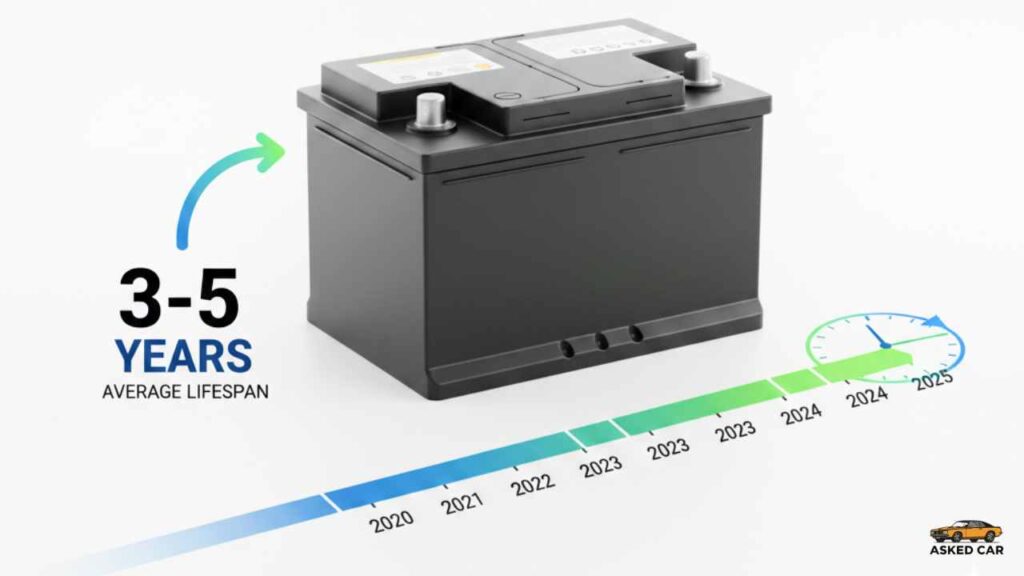
If you search online, you’ll get a generic “three to five years” answer. But if you ask me while I’m holding a multimeter under your hood, the answer is far more complicated. I’ve seen cheap flooded batteries last seven years in temperate climates, and I’ve seen premium AGMs die in 18 months in the scorching Arizona heat. The lifespan of your battery isn’t just a date stamped on the plastic case; it’s a battle between chemistry, climate, and how you drive. Let’s pop the caps and look at what is actually happening inside that black box.
The Chemistry of Survival: Lead-Acid vs. AGM vs. EFB
Not all batteries are created equal, and knowing what is under your hood is the first step to predicting its expiration date. The traditional flooded lead-acid battery has been around since the Model T. It uses liquid electrolyte (a mix of sulfuric acid and water) that sloshes around lead plates. In my experience, these are the most sensitive to vibration and heat. If you get 3-4 years out of a standard “slosh box,” you are doing well.
However, modern cars are power-hungry beasts. Start-stop technology, heated seats, and always-on 4G modems demand more. Enter the Absorbent Glass Mat (AGM) battery. Inside these, the acid is suspended in fiberglass mats, making them spill-proof and incredibly resistant to vibration. I routinely see top-tier AGM batteries pushing the 6-7 year mark, provided they aren’t cooked by engine heat. Then there is the middle ground: the Enhanced Flooded Battery (EFB). These are often found in entry-level start-stop vehicles. They are tougher than standard lead-acid but lack the longevity of an AGM. Think of them as a 4-5 year battery.
Why Car Batteries Die Young? (The Silent Killer)
Heat is the number one enemy of lead-acid chemistry. Drivers worry about winter because that’s when the battery fails to start the car, but the damage was actually done in July. High temperatures accelerate internal corrosion and cause the water in the electrolyte to evaporate. This leads to “grid corrosion” on the positive plates. Once that metal grid crumbles, no amount of jumping will bring it back. If you live in a hot climate, expect your battery life to be cut by 20-30%.
The second killer is “sulfation,” and this one is usually the driver’s fault. When a battery discharges, soft lead sulfate crystals form on the plates. If you drive long enough, the alternator recharges the battery and dissolves them. But if you only take short, 10-minute trips to the grocery store, the battery never gets fully topped off. Those soft crystals harden into rock-hard deposits that permanently reduce the battery’s Cold Cranking Amps (CCA). I can’t tell you how many low-mileage “grocery getters” I see with dead batteries because they never get a chance to breathe.
The Smart Charging Trap
Here is a detail that trips up even seasoned DIYers: modern Battery Management Systems (BMS) and smart alternators. On a 1990 Ford, the alternator just dumped a steady 14 volts into the battery. Today, your car’s computer (ECU) micromanages the charging voltage to save fuel. It might let the battery drop to 80% charge to reduce drag on the engine, or surge it to 15 volts when you coast downhill.
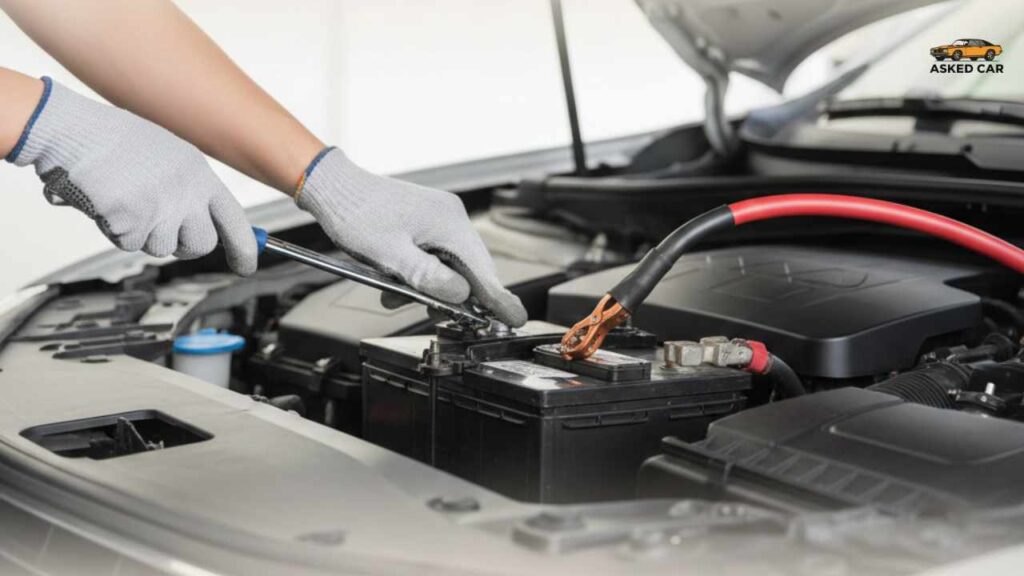
When you replace a battery in a modern BMW, Ford, or Audi, you often need to “register” or reset the BMS using a scan tool. If you don’t, the car thinks the old, weak battery is still installed. It will overcharge the fresh battery, potentially cooking it in less than a year. I’ve had customers swear their new battery was a “lemon” when, in reality, they just skipped the software reset. If your car has a sensor on the negative battery terminal, do not ignore this step.
Diagnosing Health: Beyond the Idiot Light
You don’t need a $5,000 shop scanner to know if your battery is on its deathbed. A simple multimeter is your best friend here. A fully charged healthy battery should read about 12.6 to 12.7 volts with the engine off (resting voltage). If you check it in the morning and see 12.2 volts, you are effectively at 50% charge. That is the danger zone where sulfation begins.
For a crude but effective load test, park the car facing a wall at night. Turn on the headlights but keep the engine off. Watch the beams. Now, have a helper start the car. If the lights dim almost to black as the engine cranks, your voltage is dropping too low (likely below 9.6 volts). That battery is weak. If you smell a distinct rotten egg odor—sulfur—pop the hood immediately. That means the battery is boiling its acid and venting hydrogen gas. It’s not just dead; it’s a bomb waiting to go off.
Parasitic Drain: The Vampire in Your Dashboard
Sometimes a battery dies because something is eating it alive while you sleep. We call this “parasitic draw.” A glove box light that doesn’t shut off, a stuck relay, or an aftermarket dash cam can suck a steady stream of milliamps all night long. A normal car should draw less than 50 milliamps when asleep. I once diagnosed a car that went dead every three days; turned out a Bluetooth OBDII dongle the owner left plugged in was keeping the car’s main computer awake, draining the battery. If you are replacing batteries every year, you don’t have a battery problem; you have a wiring problem.
Extending the Life of Your Battery
You can squeeze extra years out of your investment with a few dirty-hands tricks. First, keep the top of the battery clean. That greasy layer of dirt and conductive grime can actually allow a tiny current to flow between the terminals, slowly discharging the battery. Wipe it down with a rag and some glass cleaner. Second, check the hold-down clamp. A vibrating battery sheds active material from its plates. If you can wiggle the battery with your hand, it’s loose. Tighten it down.
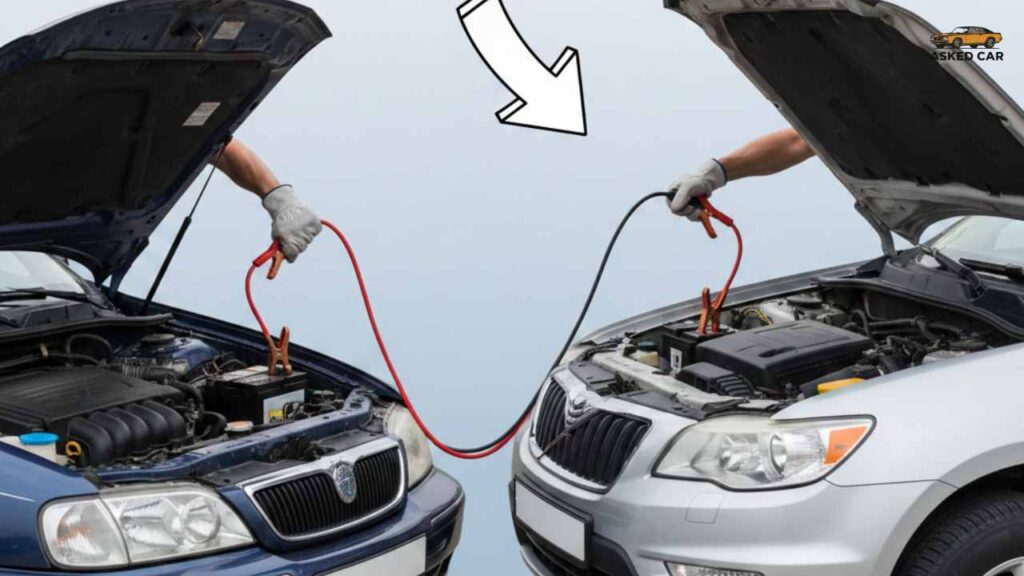
Finally, if you know the car will sit for more than two weeks, use a trickle charger or “battery tender.” These smart devices monitor the voltage and float the battery at a perfect 100%, preventing sulfation. It is the cheapest insurance you can buy. In the end, a car battery is a consumable item, like brake pads or tires. It will fail. But if you listen to the slow crank, watch the voltage, and keep it cool, you won’t be the one stranded in the parking lot waiting for a jump.