Does an Electric Car Have a Gear? A Mechanic’s Deep Dive Into EV Drivetrain
If you’ve ever stopped by my shop to watch a hybrid or an electric vehicle in motion, you probably noticed that the usual clunk, shift‑click, and revving sound of a gasoline engine is conspicuously absent. Instead, there’s a smooth, almost whisper‑like hum that comes from the electric motor and inverter. I’ve spent more than twenty years tearing apart engines and then gliding my hands over the sleek panels of modern EVs, and I’ve never seen the oddity of clacking gears in that quiet engine bay unless it’s a mechanical piece of an older hybrid design.
That’s why we’re going to unpack the question that drives a lot of curiosity among newly minted car owners and tech enthusiasts alike: Does an electric car have a gear? And how does that differ from the gearboxes we’ve all known in internal combustion engines?
Key Insights
- Most EVs use a Single-Speed Gearbox: Electric cars like Tesla, Nissan Leaf, and Chevy Bolt typically feature a fixed-ratio transmission, meaning they have just one forward gear and don’t shift gears while driving.
- Instant Torque from Electric Motors: The gas engines that need to rev up, electric motors deliver full torque immediately from zero RPM, making multiple gears unnecessary.
- Wide Operating Range: Electric motors can operate efficiently at very high speeds (up to 20,000 RPM), which removes the need for several gear ratios to keep the motor in its optimal range.
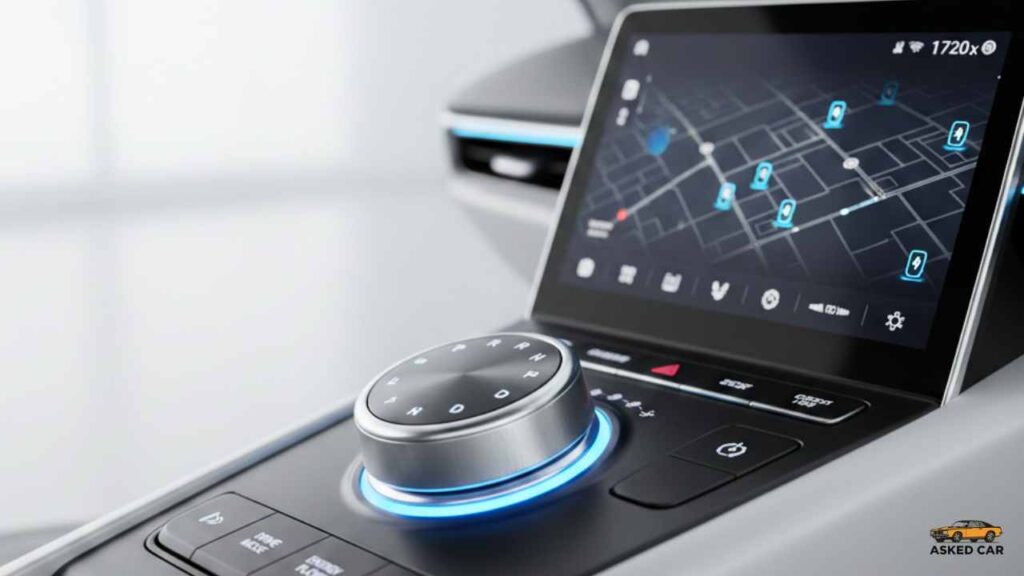
- Smooth Driving Experience: The single-gear system ensures seamless acceleration without jerks or pauses from gear changes. All EVs use automatic drive selectors—no clutch or manual gear stick involved.
- Reverse Gear Works Differently: The Work of a dedicated reverse gear, EVs reverse by spinning the electric motor backward, controlled by the car’s computer.
- Exceptions with Multi-Speed Transmissions: Some high-performance or heavy-duty EVs like the Porsche Taycan and Audi e-tron GT use two-speed gearboxes to boost top speed and efficiency during high-speed driving.
Where the Magic Happens? (The Drivetrain of an EV)
Think of a traditional combustion engine as a series of gears that step down from the high‑speed crankshaft to the slow, torque‑driven wheels. That’s part of what makes a V‑6 or a V‑8 so capable, but it also adds weight, friction, and complexity. An electric motor, on the other hand, can generate its maximum torque right from zero rpm and sustain it through a wide range of speeds.
This gives it the ability to propel a powerful vehicle with just one gear. From my perspective, the most striking difference is that you see the motor’s power being delivered directly to the axle, no gearbox, no clutch drum, no clutch lever in the driver’s seat.
Why It Works for Most EVs? One‑Speed Direct Drive
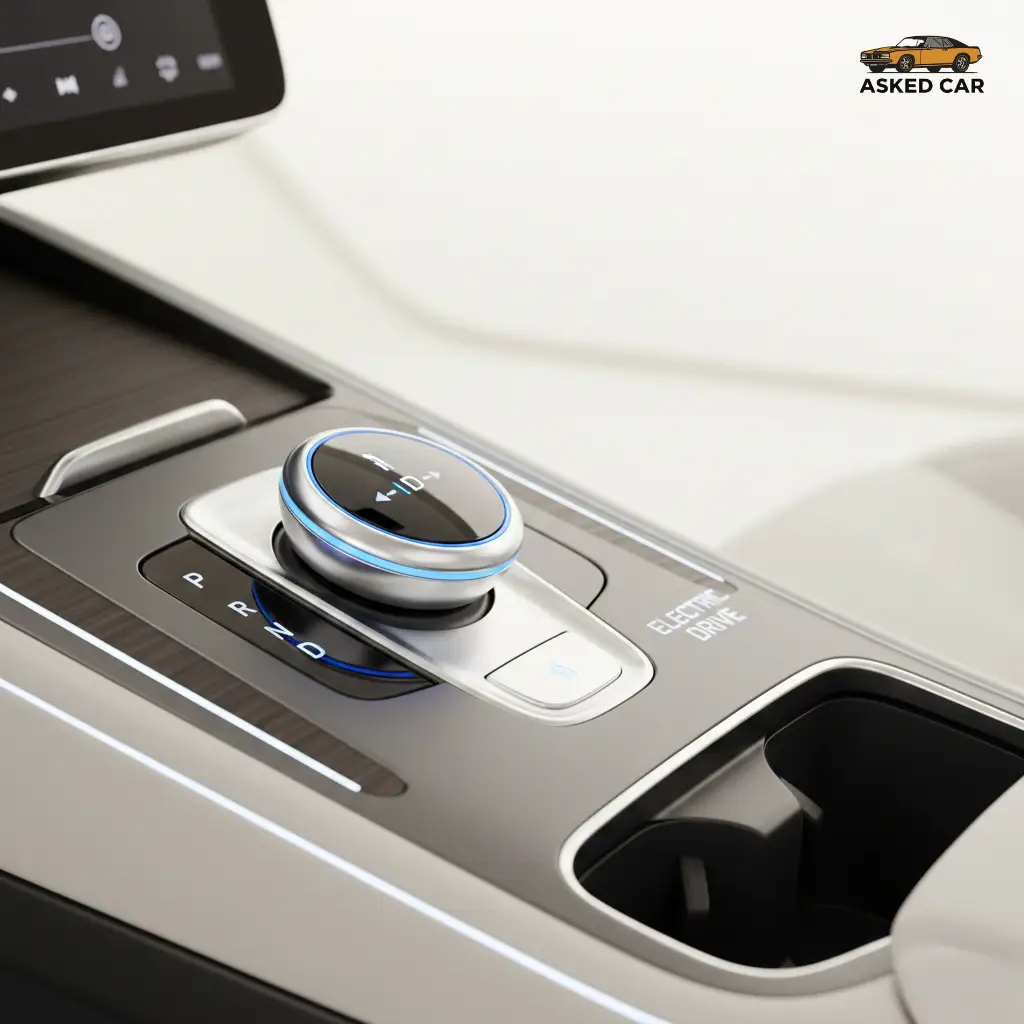
When an electric car uses a single‑speed gearbox or, more precisely, a “direct‑drive” system, there’s no need for a shifting mechanism to translate high motor speed to wheel speed. The motor’s torque output is tuned to a specific gear ratio that matches the vehicle’s weight, desired acceleration, and overall speed envelope. Take Tesla’s Model 3, for instance.
Its motor produces around 320 Nm of torque at a single, fixed gear ratio that’s engineered to give the car a respectable top speed and smooth acceleration from 0 to 60 mph in just a few seconds. The motor’s controller keeps the speed regulated so the driver feels nothing but that deep, humming power. No rumbling gears, no clicking shift, just a straight‑through flow of energy.
When I step into a charging port and witness the first surge of electricity into an EV battery, I can almost taste the metallic tang in the air, the sharp, almost clinical scent of a power‑rated battery as it charges. That same tension is felt when the inverter jumps to the front, converting DC to AC power and starting the motor. You hear a soft hiss and then the unmistakable whine of a high‑frequency motor, indicating the vehicle is ready to roll.
As I shift the transmission into drive, remember, this is essentially just engaging the electric brake and releasing the speed controller—the vehicle lurches forward almost silently, the wind whipping past the windshield and carrying a hint of cold coolant from the inverter.
The Gear Reversed (Regenerative Braking)
While traditional vehicles rely on a physical gear system to slow the car, electric vehicles take advantage of regenerative braking to reclaim kinetic energy. When the driver lifts off the accelerator, the motor becomes a generator, pulling energy back into the battery. This action mimics the function of a downshift gear, but it never creates mechanical noise. Instead, you feel the sudden shift in throttle, a soft click, as the motor’s windings reverse direction.
My years of listening to that subtle, almost tactile sensation have taught me how precise the regenerative system can be; the difference between a sudden pull and a smooth glide can make or break a first‑time EV experience.
Is More Gear Sometimes Needed? (The One‑Way Street)
EVs aren’t limited solely to a single‑speed setup. High‑performance or larger vehicles sometimes employ a second gear to extend top speed or improve efficiency at high speeds. The Chevrolet Volt—an early plug‑in that still has a gasoline engine backup uses a two‑speed planetary gearset to get the most out of its gasoline component while also benefiting from a modestly sized electric motor.
But because the motor can provide substantial torque at lower speeds and the controller can easily handle the transition, there’s seldom a need for multi‑stage gearing in conventional passenger EVs. When the gear ratio doesn’t match the speed or torque requirement, the computer simply changes the motor’s firing characteristics. From my perspective, this dynamic control is far smoother than shifting a clutch or a gear in a traditional gearbox.
The Soundscape of an EV (Sensory Contrast)
One of the most immediate differences in a garage environment between a gas and an electric car is the absence of the familiar combustion kick. In a traditional engine, you hear a roar, a vibration, the thud of a camshaft; the exhaust gives off a distinct sulfur‑laden smell that hits your face within seconds. In contrast, when you jack an EV up and loosen the hood, you encounter a quiet, almost therapeutic hush punctuated only by the soft whir of the power electronics.
If your air-conditioning is on, there’s a faint metallic scent as the inverter pushes power to cool the cabin. The lack of that unmistakable gasoline odor allows you to really focus on the subtle scents of a high‑voltage battery—sometimes a faint, almost burnt metal aroma when they’re overloaded or when the thermal paste is overheating. That smells like a high‑tech kind of smell, far from the rich, nostalgic petrol scent.
The texture of the experience is equally distinctive. While a classic internal‑combustion car feels like a series of rough, metallic engagements as gears clutch, an EV offers a more uniform, almost velveteen ride. The vibrations from an electric motor are almost imperceptible through the steering wheel, whereas the vibration of a gasoline engine travels through the chassis to you straightaway. When I hand the keys over to a new EV owner, I always note how much they appreciate the quiet acceleration; it feels like a gentle, powerful hand at their fingertips.
Torque, Gear Ratios, and Everything in Between (Technical Details)
Most modern EVs produce anywhere from 150 Nm to over 400 Nm of instant torque. The motor’s torque, combined with the fixed gear ratio (often represented as 10:1 through 20:1), allows the wheel to spin at a speed that matches the motor’s optimum operating range. I keep a note of a 10:1 ratio for the Tesla Model S and a 12:1 ratio for the Porsche Taycan; the ratios let the cars deliver both immediate acceleration and a respectable top speed without the need for mechanical gearing. When the vehicle manufacturer designs these ratios, they factor in the weight, desired acceleration, battery capacity, and even climatic conditions—something that would hardly even be considered in the design of a multi‑gear internal‑combustion engine.
During a routine diagnostic run, you’ll see the drivetrain controller continuously reading current, voltage, temperature, and speed. All of these feed into sophisticated algorithms that effectively “control the gear” without a mechanical transmission. There’s no physical shifting, but there is the invisible, dynamic shifting of motor speed, voltage, and power delivery. My experience is that these digital shifts feel as smooth as well‑tuned music, especially when the controller takes a car from 0 to 100 km/h in under five seconds without any audible hiccup.
The Gearbox of the Future: Beyond What We Know
If we look beyond the present state of EVs, we see experimental designs that revisit the idea of using a transmission to take advantage of multi‑stage torque curves. Toyota’s RAV4 Prime, for instance, uses a 10‑speed transmission to manage the complex combination of a gasoline engine and an electric motor. The hybrid’s transmission is an example that brings together a mechanical gearbox and an electric motor to provide the range and efficiency some owners want.
Still, the electric portion is effectively a high‑speed, low‑torque source without the need for further gearing. From the mechanic’s table, it’s fascinating to see the way these systems can coexist and deliver a harmonious performance that surpasses what either powertrain could do alone.
Final Thoughts: The Quiet Power of a Single Gear
In summary, while traditional vehicles rely on a cascade of gears, clutches, and transmissions to manage power, most modern electric cars lean on a single, powerful gearbox that directly connects the motor’s output to the wheels. That one gear is usually just a clever ratio that tames the immense torque of the electric motor and allows for seamless acceleration, efficient cruising, and a quiet, almost supernatural ride.
My workshop has seen the transformation from noisy, gear‑shifting machinery to smooth, silent, and efficient electric drivetrains. The next time you feel the gentle, humming surge of a battery-powered car as it rolls forward, remember that beyond the soft click and the absence of gear engagement lies a piece of engineering that, quite literally, makes the automotive world go around in a single, unstoppable gear.