Can You Lease a Used Car? Yes, Here’s What You Need to Know
If you’ve spent any time in a dealership, chatting with a salesperson over coffee, you’ve probably heard the buzz about leasing a new car. But what about a used one? Can you lease a used car? The answer isn’t just a yes. It’s a majority yes, these days. In my 20 years as a mechanic and automotive journalist, I’ve seen leasing evolve from a niche option to a full-blown strategy for drivers who want flexibility without ownership. Let’s unravel how leasing a used vehicle works, why it’s worth considering, and what pitfalls to avoid.
The Certified Loophole
You can’t just walk onto a used car lot and lease a beat-up sedan from 2015. To lease a used car, it almost always needs to be part of a manufacturer’s Certified Pre-Owned (CPO) program. Brands like BMW, Lexus, Acura, and Mercedes-Benz have pushed this aggressively because they have a flood of three-year-old lease returns sitting on their lots. They need to move metal.
When you lease a CPO vehicle, you are essentially financing the depreciation for a second time, but on a much flatter curve. A new car takes a massive value hit—sometimes 20% or more—the moment it rolls off the showroom floor. That steep drop is what makes new car leases expensive; you are paying for that lost value. With a used lease, the first owner already took that financial punch for you. The car has already depreciated, so the “gap” between what the car is worth now and its residual value (what it’s worth at the end of the lease) is smaller. This mathematically shrinks your monthly payment.
How Leasing a Used Car Actually Works?
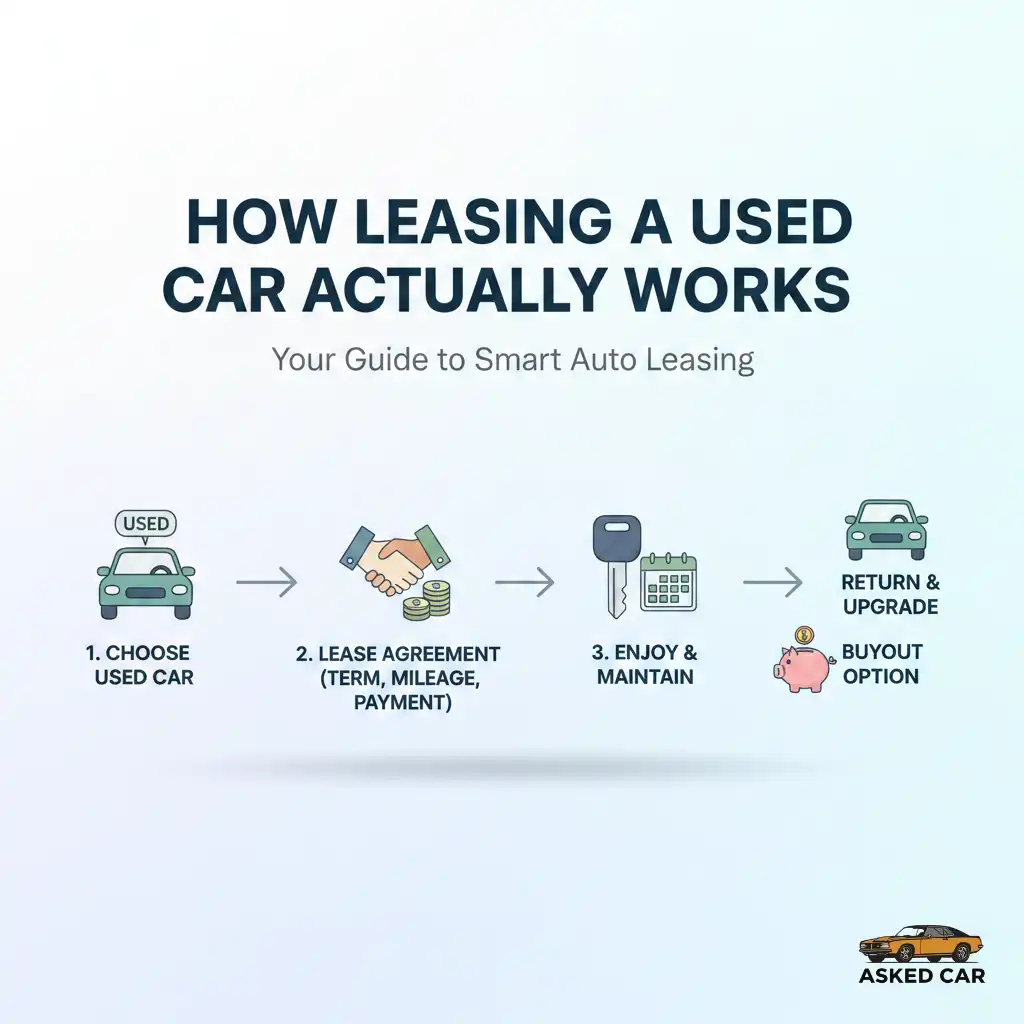
Leasing a used car isn’t like renting a rental truck from Enterprise. It’s a formal agreement between you and a dealership, where you pay a monthly fee to use a pre-owned vehicle for a set period, usually 24–36 months. Think of it like renting a home, but with wheels. Your payments cover depreciation (how much the car loses value over time), interest, and sometimes a mileage cap, say, 10,000 or 12,000 miles a year. At lease-end, you can return the car, pay off the residual value and keep it, or walk away.
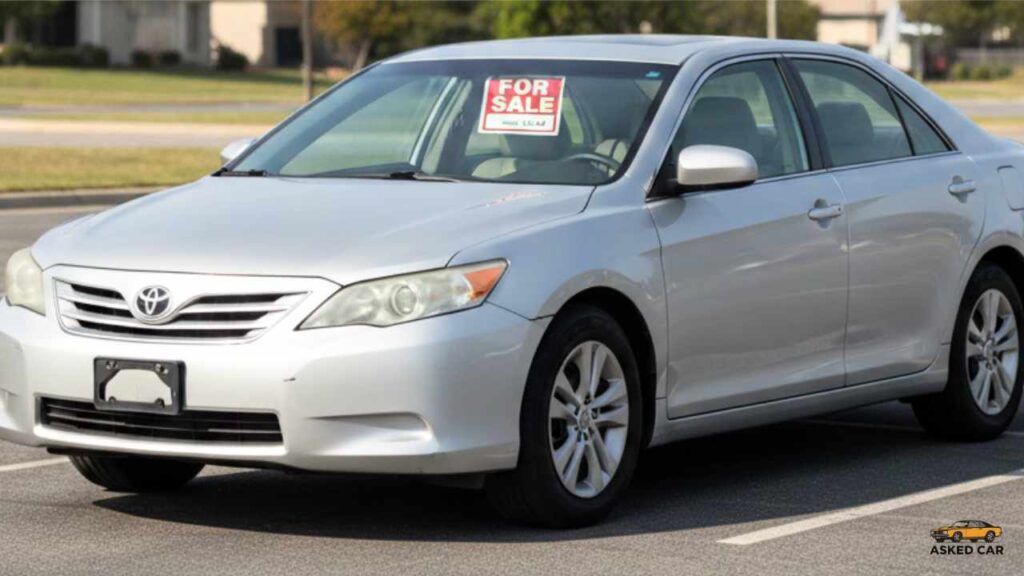
Here’s the kicker: dealerships often lease used cars with shorter terms than new ones. Why? Because newer cars depreciate faster in the first year. A three-year-old Toyota Camry, for instance, sits in the sweet spot of slowing depreciation curves. The payments are often lower than leasing a new model, but you’ll still need to meet credit score requirements and put down a security deposit.
The Real Perks of Leasing a Used Vehicle
Let’s cut to the chase: why bother leasing instead of buying? For one, the monthly payments are usually gentler on your wallet. When I leased a 2021 Honda Civic last year, my payment was $250 less than if I’d leased a fresh model. That’s cash you can jam into retirement funds or that hobby you’ve been eyeing—gardening tractors, anyone?
Then there’s depreciation. Used cars lose 30–50% of their value in the first two years, but a three-year-old car has already bled out the steepest drop. That means less chance of being upside-down (owing more than the car’s worth) if you decide to keep it later. Plus, many dealerships let you negotiate the residual value, which directly affects your monthly bill. Lower the residual, lower your payment—simple math.
The Not-So-Glossy Side of Used Car Leasing
But here’s the truth: leasing a used car isn’t all sunshine. For starters, mileage limits are a real pain. If you rack up 15,000 miles a year driving those scenic desert roads, you’ll get hit with fees that could sting more than a welder’s flash. Also, customization is dead. Want a custom grille or a blinged-out sound system? Tough luck. The car has to go back “as-is” to the dealership.
And let’s not forget wear and tear. We all have those friends who treat their cars like rally cars, leaving dents, missing hubcaps, or scratches that tell a story. Dealerships will charge for damages beyond normal use, and trust me, they’ll milk it for all it’s worth.
Top Used Cars That Actually Offer Leasing
Not all used cars are created equal in the leasing world. Dealerships prefer models that hold their value, have low repair rates, and appeal to the masses. Let’s talk specifics:
Toyota Camry or Corolla: Sleek, reliable, and averaging $22,000–$28,000 on the pre-owned market.
Honda Civic or Accord: Favored for their tech features and low residual values, often rounded up to four leaseable years.
Mazda CX-5: Compact SUVs lease well because they attract families and urban dwellers.
Subaru WRX: A turbocharged black sheep for young buyers.
Each dealership has its own “Offer of the Month” promotions—I’ve seen Carvana and Penske throw discounts on CUVs with 10% down, so keep your eyes glued to dealership ads.
What You Really Need to Know Before Signing
Before shaking hands, here’s what separates the wheat from the chaff:
Credit score matters: Expect a FICO score of 680+ for approval, though some dealers tweak this.
Down payment: Most require $1,000–$2,000, which can be a hurdle for cash-strapped buyers.
Mileage negotiations: Ask if they’ll bump up annual limits—it’s not unheard of, especially for longer leases.
Buyout options: Some terms let you lock in a buyout price upfront. Smart if you’re on the fence about ownership.
Final tip: Push for gap insurance. If the car is totaled, your coverage might not cover the residual balance. Better safe than sorry.
Leasing vs Buying a Used Car: The Hard Truth
Let’s compare apples to napkins here. Buying used gives you equity; every payment gets you closer to ownership. But if you drop the car in a lake, you’re on the hook for the loan. Leasing keeps you hands-free: no trade-ins, no haggling over prices, and no long-term debt. But if you drive 20,000 miles a year or like tinkering with your car, leasing might feel like a cage.
How I’d Recommend Leasing Used (If I Were You)
Walk onto the lot with your terms pre-set. Research residual values for specific models—NADA guides are your BFF. And never—ever—sign anything cold. I once saw a guy sweat-drenched over a $12,000 residual for a sedan that wasn’t even worth that at auction. Negotiate like you’re haggling at a flea market.
Final Thoughts: To Lease or Not to Lease?
Leasing a used car can save dough, reduce stress, and keep you cycling through newer models every few years. But it’s not for everyone. If you’re the type who likes to sink shots from the three-point line into a keepsake garage, leasing’s not your game. But if you crave the thrill of biting into a new-to-you luxury SUV every 24 months without alcohol to celebrate the payoff, it’s a solid path.
After years in the shop, I’ve learned that every driver walks a different road. So rev the engine, read these fine print a third time, and decide what gets your brake pads squealing or smiling.
This post peels back the hood on leasing used cars, blending insider knowledge with real-world examples. It’s not just about a keyword—it’s about giving you the specs, the pitfalls, and the freedom to decide what’s best for your wallet and mileage.