Why Does My Car Shake When I Brake? (Top 9 Causes & Simple Fixes)
There are few things as unsettling as feeling your vehicle vibrate violently every time you press the brake pedal. If you’ve experienced this phenomenon and dismissed it as a weird quirk or a passing inconvenience, you might be in for a misleading reality. That shaking isn’t just an annoyance; it’s a symptom of a mechanical issue demanding attention.
With over two decades of diagnosing brake-related problems at my local mechanic shop and writing about vehicle repair, I’ve seen this issue manifest in countless forms, from subtle wobbles to death wobbles at highway speeds. Let’s unravel the culprits behind this unnerving vibration, how to troubleshoot it, and why addressing it isn’t optional.
1. Warped Brake Rotors: The Most Common Culprit
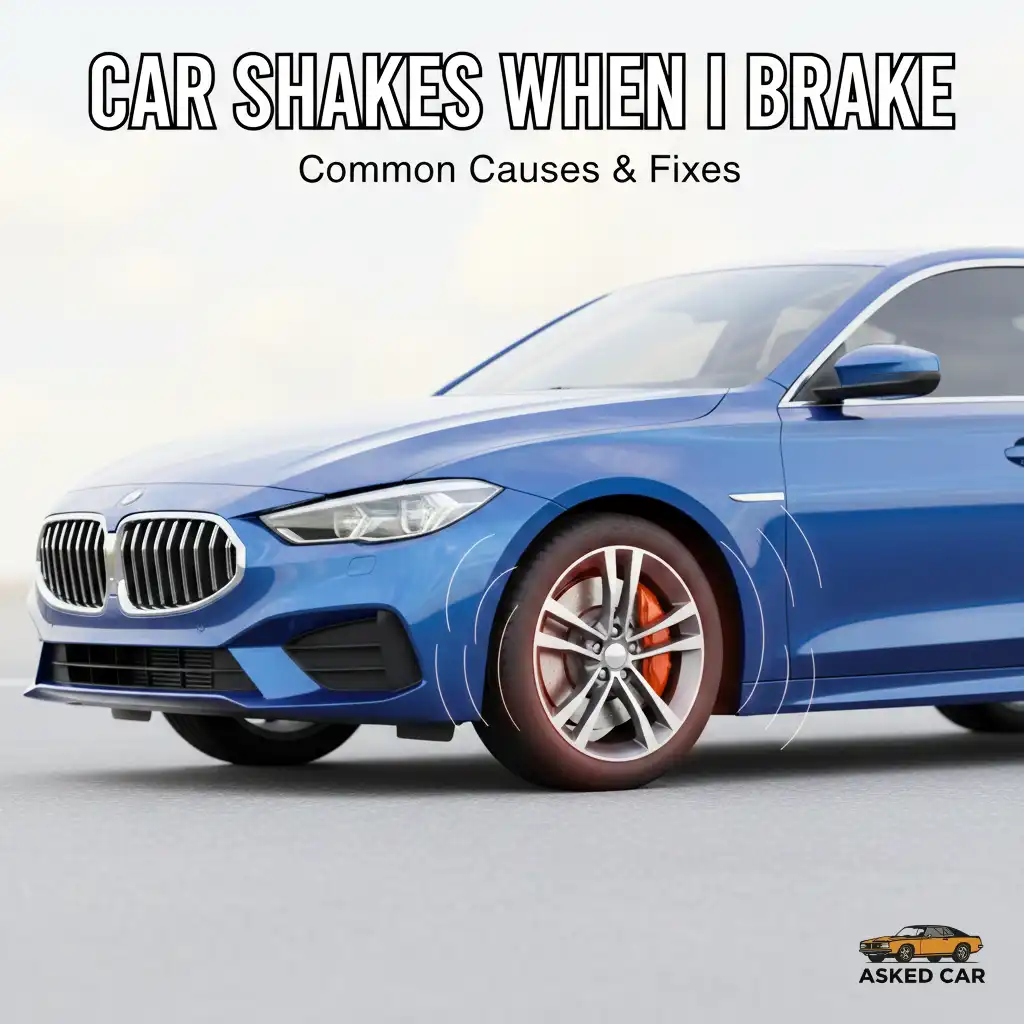
Ah, the classic warped rotor scenario. Nightmares for drivers and an old friend to seasoned mechanics. When your brake discs overheat—often from frequent hard braking or pad material degradation they can warp, creating uneven contact with the brake pads. This mismatch sends a pulsating vibration or a full-on shiver up the steering column, through the brake pedal, and into the steering wheel. You’ll typically feel it most intensely at higher speeds, usually above 50 mph, when braking firmly. The discs’ curved surfaces act like a rollercoaster track for your brake system, magnifying every tiny imperfection.
Pro Tip: Not all warping is from heat. Cheap rotors, mismatched ones, or even improper installation can cause structural flaws that mimic warping. Invest in OEM or premium-grade rotors, and ensure installers use a dial indicator to check for flatness. If you hear a grinding sound alongside the vibration, your pads might be embedded with metal debris, accelerating rotor damage.
2. Suspension Wear: Hidden Contributors to Brake-Vibrant Jitters
It’s easy to overlook the suspension, but a failing strut, loose lower control arm bushing, or degraded stabilizer bar link can turn your car into a vibration relay. Here’s why: when braking, the weight shifts forward. If your suspension isn’t tight, that shifting mass creates uneven pressure on the wheels, amplifying minor rotor issues or tire imbalances. I’ve seen customers bring in cars with “bad brakes” only to discover sway bar bushings disintegrated at the innards.
The sensor test: Jack up the front left wheel. Grab the top of the tire and shake it. If you hear a clunk or feel play, inspect the suspension components. Replace any parts with excessive free play—especially bushing boots that have cracked, exposing grease and letting contaminants in.
3. Tire Issues: Spin, Wobble, and Brake Fever
Tires wear asymmetrically in 90% of vehicles. If your front tires are unevenly worn or out of balance, they’ll fight your brake system’s forces. Imagine braking while driving on a wheel with a chunk missing. Sudden stops compound the imbalance, making the car shudder. Rotate your tires and check for alignment problems like camber or toe deviations.
A lesser-known hyena is tire pressure mismatches. A tire 10 PSI underinflated compared to its counterpart will squirm like a worm during deceleration. Regular pressure checks and provider balance adjustments every 6,000 miles—or after driving on crappy roads—can neuter this issue.
4. Brake Caliper Problems: Sticky Grip and Uneven Wear
Caliper pistons jammed (often from corrosion), uneven pad wear, or entangled sliding pins can cause calipers to grip unevenly. This leads to one side of the rotor being squeezed while the other side clangs freely, creating a “wobbly brake” sensation. If the car pulls to one side when braking, suspect a caliper stuck open or frozen in the closed position.
I’ll never forget the time I bled a braking system at 2 a.m. and found the pistons coated in crusty brake fluid. Use a C-clamp and brake bleeder valve instead of your thumb for safer degreasing. If the caliper housing’s edges are discolored with carbonized buildup, grab a wire brush and degreaser.
5. Steering Components: Tie Rods and Ball Joints in Trouble
Loose or damaged tie rod ends or ball joints can turn your steering shaft into a vibrator during braking. Picture this: you’re slowing on the highway, and the wheel vibrates before you feel it in the seat. If the shaking stops when steering sharply left or right, the problem might be confined to the steering linkage.
Diagnose with movement: Jack up one side of the car, then grab the wheel at 12 and 6 o’clock. If you sense play, especially clunking when rotating the joint, it’s time for replacements. Never underestimate ball joints: a failing one caused a client’s car to oscillate violently until it popped off the axle. Seriously.
6. The Less Celebritous (But Still Nasty): VVL Solenoids and Wheel Bearing Preload
Wait, what? Yeah, your engine can cause brake vibrations too. A faulty Variable Valve Timing (VVT) solenoid can stall, causing irregular engine operation that transmits vibration through the transmission to the drivetrain. Similarly, a failing wheel bearing’s preload—or lack thereof- creates axial play. Brake-related vibrations that worsen during coasting (but not coasting while braking) often point to drivetrain issues.
Here’s a fix: Check your engine oil’s VVT solenoid function or use an OBD-II scanner to read fault codes. For bearings, load them with a dial indicator; any deviation past 0.001 inches Kegan (that’s micrometers, folks).
7. Brake Fluid Contamination: A Strange Siphon of Shudder
Moisture or dirt in the brake lines can frizzle when heated, acting like a jellyfish stinging the master cylinder. Water absorption from boiling points drops abruptly, often causing a lowered boiling threshold and vapor locks mid-pan. Result? A brake pedal that feels spongy and a car that jitters like a newborn foal on a treadmill.
Test with a water test: Open the brake bleeder and let aged fluid (or buy a grab it by the hydraulic types) evaporate. Replace DOT 3/4 fluid if it’s older than two years. Store-bought DOT 4 is tempting, but it’s hygroscopic and requires purging air during tune-ups.
8. Shocks Absorbers Gone Rogue: Leaks and Collapsing Foamers
The only thing worse than a soft brake feel is one that worsens with moisture. Old, leaking shock absorbers lose their damping ability, letting suspension parts bounce erratically. If you’re experiencing “one solid hit” followed by a rebound jolt (think: jumping a curb), your dampers are asking for mercy.
Prove it: With the car idle, push down the hood. If it oscillates more than three times before dying, shocks/struts are toast. Most modern units use Ford 09Q07 coupling designs; replace matched sets.
9. Dash Cams and Modern Diagnostics: Techy Troubleshooting for the Uninitiated
I’ve watched enough dash cam footage to know that video evidence is gold. If your car starts shaking at 65 mph while braking, film it. The footage will show whether the vibration is in the steering wheel, pedals, or seat—a key diagnostic differentiator. Pair that with OBD-II codes like C1200 (related to VDC system failure) or others to prioritize.
My mechanic’s table isn’t just tools; it’s cluttered with torque specs, oscillation tools, and pressure gauges. But don’t let this overwhelm you. Start with basics: torque the lug nuts 60-80 ft-lbs, check pad thickness, then escalate.
Diagnosing the Shake: Front vs. Rear
You can often pinpoint the source of the issue just by paying attention to where you feel the vibration. If the steering wheel shakes back and forth in your hands when you brake, the issue is almost certainly in the front brakes or suspension, as the front wheels are connected directly to the steering rack. Conversely, if you feel the vibration in the seat of your pants, the center console, or the entire chassis seems to shudder without moving the steering wheel, you are likely dealing with rear drums or rotors.
Rear brake issues are less common because the front brakes handle about 70% of the stopping power, but they can be tricky. Rear drums can go “out of round,” becoming slightly egg-shaped, which causes a pulsing sensation. Additionally, seized parking brake cables can cause the rear shoes to drag, overheating the drums, and causing similar vibration issues.
Conclusion: Tires and Wheel Balance
Finally, we have to rule out the tires themselves. While a tire balance issue usually manifests as a shake at specific speeds (like 55-65 mph), regardless of whether you are braking, a badly cupped tire or a bent rim can simulate brake shudder. If your tires have “flat spots” from locking up the brakes or sitting too long, that rhythmic thumping will become much more aggressive as the weight transfers to the front tires during braking. Running your hand along the tread of the tire (carefully) can reveal these waves or cups in the rubber if the tread feels like a saw blade, no amount of brake work will fix the shake until the rubber is replaced.
Fixing a shaking car is rarely about just swapping parts; it’s about understanding the physics of friction and suspension geometry. Whether it’s scrubbing rust off a hub, regreasing a dry guide pin, or simply using a torque wrench, the details matter. If you ignore the shake, you aren’t just tolerating an annoyance; you are allowing vibration to hammer away at your wheel bearings and suspension, leading to a much more expensive repair bill down the road.